
FENTANYL: A COMPLETE GUIDE FOR AWARENESS, RISKS, AND GLOBAL IMPACT
Introduction
Fentanyl has become one of the most discussed substances worldwide, not because of its medical benefits, but because of its role in the ongoing opioid crisis. Originally developed for pain management, it is now widely associated with overdose deaths and public health emergencies across the United States, Europe, the UK, Australia, and parts of Asia. GET IN TOUCH
This guide breaks down what fentanyl is, why it is so dangerous, and what individuals, communities, and policymakers need to understand.
What Is Fentanyl?
Fentanyl is a synthetic opioid used medically for severe pain, especially in cases like cancer treatment or post-surgery care. It is significantly more potent than traditional opioids.
- Up to 50 times stronger than heroin
- Around 100 times stronger than morphine
Because of this extreme potency, even very small amounts can have life-threatening effects.
Why Fentanyl Is So Dangerous
The main danger of fentanyl lies in its strength and unpredictability.
- Tiny doses can be fatal
- Often mixed into other drugs without the user knowing
- Difficult to detect without testing
- Rapid effect on breathing and brain function
Public health data shows that synthetic opioids, particularly fentanyl, are responsible for the majority of opioid-related deaths in recent years.
How Fentanyl Affects the Body
Fentanyl works by binding to opioid receptors in the brain, which control pain and emotions.
Common effects include:
- Intense pain relief
- Euphoria and relaxation
- Drowsiness and confusion
- Slowed breathing
However, respiratory depression is the most dangerous effect, as it can quickly lead to death if untreated.
Signs of Fentanyl Overdose
Recognizing an overdose early can save a life.
Key warning signs:
- Slow or stopped breathing
- Unconsciousness or inability to wake
- Pinpoint pupils
- Blue or pale skin
- Gurgling or choking sounds
An overdose can progress rapidly and requires immediate medical intervention.
Global Impact of Fentanyl
Fentanyl is not limited to one region. Its impact is global:
United States
- Leading driver of overdose deaths
- Tens of thousands of fatalities annually linked to synthetic opioids
Europe & UK
- Increasing presence in drug markets
- Rising concern among health authorities
Australia
- Monitoring emerging synthetic opioid threats
Asia
- Role in production and trafficking networks
The spread of illicit fentanyl has transformed drug markets worldwide, making them more dangerous than ever.
Why Fentanyl Is Often Mixed With Other Drugs
Illicit manufacturers mix fentanyl with other substances to:
- Increase potency
- Reduce production costs
- Create stronger effects
It is commonly found in:
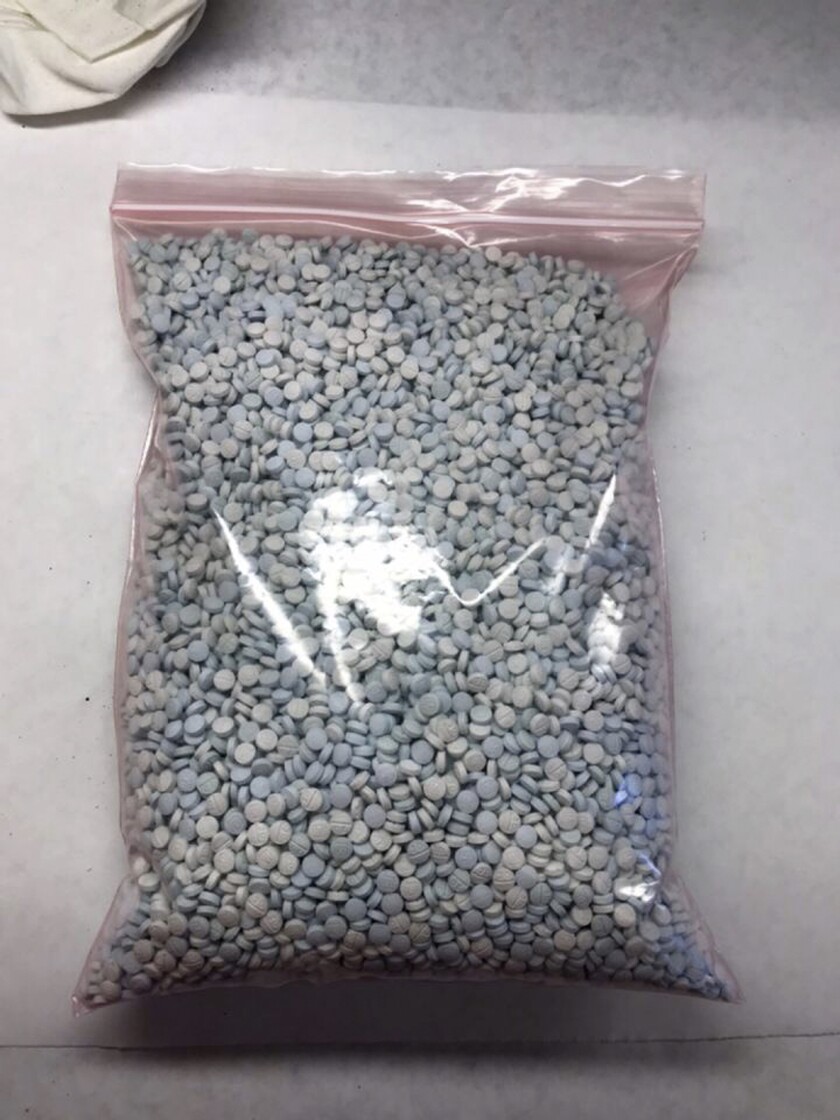
- Counterfeit pills
- Heroin
- Cocaine
- Methamphetamine
This makes accidental exposure a major risk, even for people who do not intend to use opioids.
Prevention and Harm Reduction
While fentanyl is dangerous, there are proven ways to reduce harm:
- Avoid unknown or unverified substances
- Use drug testing tools where available
- Never use alone
- Carry naloxone (overdose reversal medication)
- Seek treatment for substance use disorders
Naloxone can reverse opioid overdoses if administered in time.
Final Thoughts
Fentanyl represents one of the most serious public health challenges of the modern era. Its medical use remains important, but its illicit presence has dramatically increased overdose risks worldwide.
Understanding the facts, recognizing the warning signs, and spreading awareness can help save lives. Mixing medications without guidance can be dangerous


Fernandinho –
Express express express
Sterling –
Not a bad experience
Tudawali –
Quality services, got my stuffs on time
Jennifer –
I am pain free, thanks for my meds