
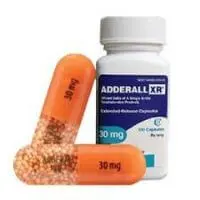
Adderall: Uses, Benefits, Safety Information, and What Patients Should Know
Adderall is a prescription medication commonly used as part of a treatment plan for attention-deficit/hyperactivity disorder (ADHD). It may also be prescribed for certain cases of narcolepsy. Because it is a controlled medication, it should only be used under the supervision of a licensed healthcare professional and obtained through lawful channels.
What Is Adderall?
Adderall contains a combination of amphetamine salts that act on the central nervous system. For people diagnosed with ADHD, it can help improve attention, focus, and impulse control when used as prescribed by a qualified healthcare provider.
Treatment plans for ADHD are individualized and may include medication, behavioral therapy, education, and lifestyle strategies.
Approved Medical Uses
Healthcare professionals may prescribe Adderall for:
- Attention-deficit/hyperactivity disorder (ADHD)
- Narcolepsy in appropriate patients
The decision to prescribe this medication depends on a person’s medical history, symptoms, and clinical evaluation.
How Does Adderall Work?
Adderall affects certain neurotransmitters involved in attention and executive function. In individuals with ADHD, these effects may help improve concentration and reduce symptoms such as distractibility and impulsivity. Responses to treatment vary from person to person, so regular medical follow-up is important.
Possible Side Effects
Like all medications, Adderall can cause side effects. Some people experience mild effects, while others may require medical attention.
Possible side effects include:
- Decreased appetite
- Difficulty sleeping
- Dry mouth
- Headache
- Increased heart rate
- Nervousness or anxiety
Patients should promptly contact their healthcare provider if they experience severe or concerning symptoms.
Safety Considerations
Adderall should be taken exactly as prescribed. It is important to:
- Follow your healthcare provider’s instructions.
- Inform your provider about all other medicines and supplements you take.
- Discuss any history of heart conditions, high blood pressure, mental health disorders, or substance use before starting treatment.
- Keep the medication in a secure location and never share it with others.
Drug Interactions
Certain medications and supplements may interact with Adderall. Your healthcare provider or pharmacist can review your medication list and advise on potential interactions before treatment begins.
Frequently Asked Questions
Is Adderall appropriate for everyone with ADHD?
No. Treatment decisions are based on an individual’s symptoms, medical history, age, and overall health. A healthcare professional will determine whether Adderall or another treatment option is appropriate.
Can I stop taking Adderall suddenly?
Do not change or stop prescribed medication without consulting the healthcare professional managing your care.
Why are follow-up appointments important?
Regular follow-up visits allow your healthcare provider to monitor your response to treatment, adjust therapy if necessary, and address any side effects or concerns.
Conclusion
Adderall is an established prescription medication that may play an important role in the treatment of ADHD and certain cases of narcolepsy when prescribed appropriately. Safe use depends on professional medical evaluation, ongoing monitoring, and following your healthcare provider’s instructions. If you have questions about ADHD treatment or your medications, consult a licensed healthcare professional or pharmacist.


Reviews
There are no reviews yet.